In today’s hyper-competitive digital landscape, simply publishing a Facebook post and hoping for the best is no longer a viable strategy. To cut through the noise, brands must actively amplify their content. The most efficient, cost-effective, and scalable method to achieve this is to promote Facebook post campaigns through a Self-Service Platform. This approach empowers marketers, small business owners, and social media managers to take full control of their advertising budget, targeting parameters, and creative assets without relying on a middleman or an agency. In this comprehensive guide, we will dissect how a Self-Service Platform revolutionizes the way you boost your content, why it outperforms traditional ad buying, and the exact steps you need to follow to maximize your return on investment (ROI).
Why a Self-Service Platform is the Gold Standard for Promoting Facebook Posts
Gone are the days when promoting a Facebook post required a phone call to a sales representative or a lengthy email chain. A Self-Service Platform—such as Meta Ads Manager, Hootsuite Ads, or specialized third-party tools—puts the entire promotion lifecycle directly into your hands. The core advantage lies in its transparency and agility. You can log in at 2 PM, adjust your daily budget, swap out a creative image, or refine your audience segmentation for a specific geographic location, all within minutes. This real-time control is not a luxury; it is a necessity for brands that need to react quickly to market trends, seasonal events, or viral content opportunities.
Moreover, a Self-Service Platform democratizes access to premium ad inventory. Whether you have a monthly budget of $50 or $50,000, the platform treats your campaign with the same algorithmic fairness. It provides granular analytics that tell you exactly which post resonated with which demographic, allowing for data-driven iteration. When you promote Facebook post content via this method, you are not just paying for impressions; you are purchasing actionable insights. This is fundamentally different from traditional boost buttons, which offer limited targeting options and often waste spend on irrelevant audiences.
Key Features to Look for in a High-Performing Self-Service Platform
Not all Self-Service Platforms are created equal. To truly leverage the power of paid social, you must select a tool that offers depth, flexibility, and integration. Below are the non-negotiable features that separate a robust platform from a basic ad-buying interface.
- Advanced Audience Layering: The platform must allow you to combine custom audiences (e.g., website visitors, email lists) with lookalike audiences and behavioral interests. This ensures that when you promote Facebook post assets, they are shown only to users with the highest purchase intent.
- A/B Testing Capabilities: Look for native split-testing options that let you test different headlines, images, and call-to-action buttons simultaneously. The platform should automatically allocate budget to the winning variant, optimizing your ad spend in real time.
- Automated Rules: A truly “self-service” experience includes automation. For instance, you should be able to set a rule that pauses your campaign if the cost per click exceeds $0.50 or increases the budget if the click-through rate surpasses 3%. This removes the need for constant manual monitoring.
- Cross-Platform Integration: While the keyword focuses on Facebook, the best platforms allow you to syndicate the same promoted post to Instagram, Messenger, or even Audience Network. This extends your reach without duplicating effort.
- Transparent Billing and Reporting: Every dollar must be accounted for. The platform should offer real-time dashboards showing spend, frequency, and relevance scores, ensuring you are never overpaying for underperforming placements.
When you choose a platform with these features, the act to promote Facebook post content transforms from a guessing game into a precise science. You gain the ability to pivot quickly, scale winning creatives, and eliminate waste.
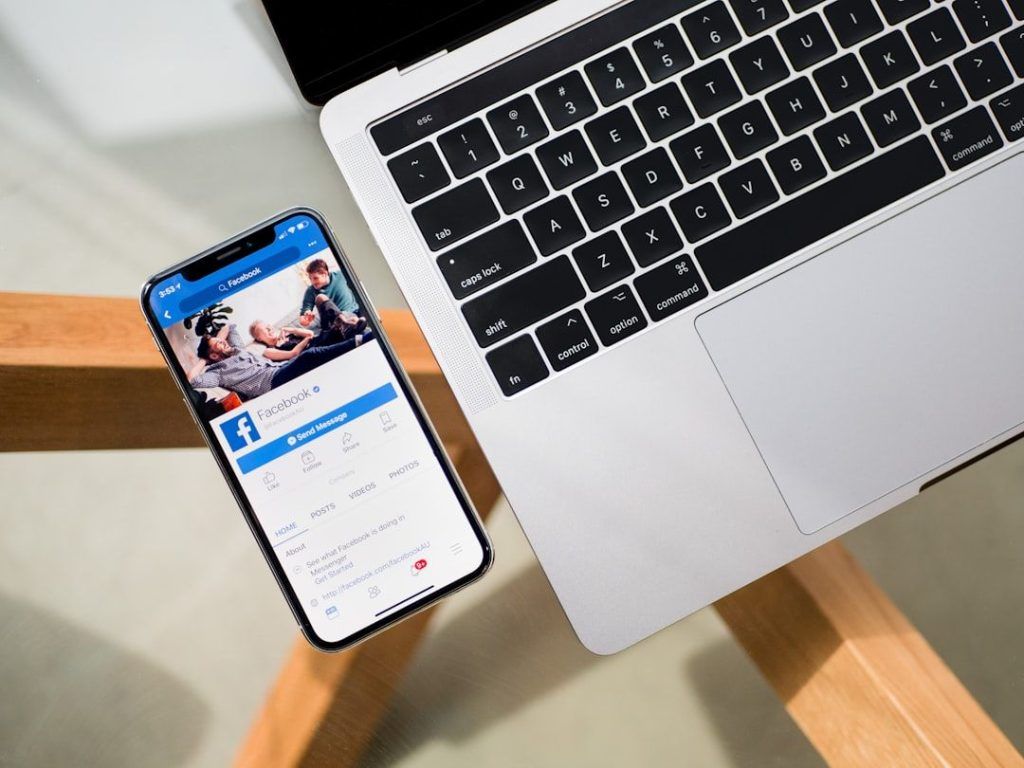
Step-by-Step Strategy: How to Promote Facebook Post Content Effectively
Having the right Self-Service Platform is only half the battle. The other half is executing a strategy that aligns with your business objectives. Whether your goal is brand awareness, lead generation, or direct sales, the following framework will ensure your promoted posts drive tangible results.
1. Define Your Micro-Conversion Goals
Before you allocate a single dollar, decide what “success” looks like for this specific post. Is it video views? Link clicks? Messenger conversations? A Self-Service Platform excels at optimizing for micro-conversions. For example, if you choose “Engagement” as your objective, the algorithm will find users who are most likely to like, comment, and share. If you choose “Traffic,” it prioritizes clickers. Be specific—do not select “Awareness” if you need sales, as the platform will optimize for impressions, not actions.
2. Leverage First-Party Data for Superior Targeting
In the post-iOS 14.5 era, relying solely on pixel data is risky. A premium Self-Service Platform allows you to upload your CRM lists directly. When you promote Facebook post content to a Custom Audience of your existing email subscribers, you are speaking to a warm audience that already knows your brand. Combine this with a lookalike audience of 1-3% to find new users with similar characteristics. This layered approach consistently yields lower cost-per-acquisition (CPA) than broad interest targeting.
3. Craft Native, Non-Disruptive Creatives
Your promoted post should not look like an ad. It should look like a valuable piece of content that happens to be sponsored. Use high-quality vertical images or short-form video (under 15 seconds) that captures attention in the first 2 seconds. The primary text should be concise, benefit-driven, and include a clear single call-to-action. Avoid using too many hashtags or external links in the caption, as this can reduce the relevance score. Instead, let the “Learn More” button drive the click.
4. Implement a Dynamic Budget Allocation System
One of the greatest advantages of a Self-Service Platform is Campaign Budget Optimization (CBO). Instead of setting separate budgets for each ad set, you set one central budget, and the platform automatically distributes it to the best-performing ad sets in real time. This ensures that your money is always chasing the highest ROI. When you promote Facebook post with CBO enabled, you eliminate the risk of underfunding a winning segment while overspending on a losing one.
5. Schedule Promotions Around Peak Engagement Windows
Even with automation, timing matters. Use the platform’s analytics to identify when your specific audience is most active. For B2B audiences, this might be Tuesday through Thursday between 9 AM and 11 AM. For consumer audiences, evenings and weekends often work best. Schedule your promoted post to start 30 minutes before these peak windows, allowing the algorithm to ramp up and find your audience just as they are scrolling.
Measuring Success: KPIs That Matter When You Promote Facebook Post
Vanity metrics like likes and shares are nice, but they do not pay the bills. When evaluating the performance of your promoted posts through a Self-Service Platform, focus on these key performance indicators (KPIs) to gauge true health.
- Click-Through Rate (CTR): A CTR above 1.5% for a link post is considered strong. If your CTR is lower, your creative or copy is not resonating.
- Cost per Result (CPR): This is the ultimate metric. Whether it is cost per lead or cost per purchase, this number tells you if your promotion is sustainable.
- Frequency: If your frequency exceeds 3.0, your audience is seeing your ad too often, leading to ad fatigue and higher costs. It is time to refresh the creative or expand your audience.
- Post Saves: This is a powerful signal. When users save your post, they are indicating intent to return. A high save rate suggests your content is valuable and worth revisiting.
By diligently tracking these metrics within your Self-Service Platform, you can continuously refine your approach. The goal is not just to promote Facebook post content, but to build a repeatable, scalable system that grows your business. Remember, the platform is a tool; your strategic acumen and data interpretation are the true drivers of success.
Common Pitfalls to Avoid When Using a Self-Service Platform
Even with the best tools, mistakes happen. Being aware of these common traps will save you from burning through your budget without results.
Pitfall #1: Boosting Every Post. Not every piece of content deserves paid amplification. Only promote posts that have already demonstrated organic traction (e.g., >5% engagement rate) or that serve a critical business goal. Boosting mediocre content simply amplifies mediocrity.
Pitfall #2: Ignoring the Pixel. A Self-Service Platform is only as smart as the data you feed it. If your Meta Pixel is not installed correctly or you are not tracking conversions, the algorithm is flying blind. Ensure your pixel fires on all key pages (product page, cart, checkout).
Pitfall #3: Setting It and Forgetting It. While automation is powerful, it is not a substitute for human oversight. Review your campaigns every 48 hours. Look for anomalies, such as a sudden spike in cost or a drop in delivery. The platform can suggest changes, but you must approve them.
Pitfall #4: Neglecting Mobile-First Design. Over 90% of Facebook users access the platform via mobile. If your landing page is not mobile-optimized, your conversion rate will plummet, regardless of how well you promote Facebook post content. Ensure your page loads in under 3 seconds and the form is simple to fill out.
Conclusion: Take Control and Scale with Confidence
The ability to promote Facebook post content via a Self-Service Platform is no longer a competitive advantage—it is a baseline requirement for any serious digital marketer. It offers the perfect blend of control, speed, and data transparency that traditional advertising methods cannot match. By selecting the right platform, employing a strategic framework, and avoiding common pitfalls, you can turn every dollar of ad spend into measurable business growth. Start small, test ruthlessly, and scale what works. The tools are in your hands; the only question is how aggressively you will leverage them to outperform your competition.