In the rapidly evolving world of digital marketing, the Google Ads Review|Self-Service Platform stands as a cornerstone for businesses seeking to maximize their online visibility and return on investment. As a professional SEO content specialist, I have analyzed countless advertising tools, and this platform consistently demonstrates why it remains the industry standard. Whether you are a small business owner or a seasoned PPC manager, understanding the nuances of this self-service ecosystem is critical to campaign success. This article provides an authoritative, in-depth review of the platform’s core features, benefits, and strategic best practices, tailored to help you navigate its complexity with confidence.
Understanding the Core Architecture of the Google Ads Review|Self-Service Platform
At its heart, the Google Ads Review|Self-Service Platform is designed to democratize advertising, giving every user direct control over their campaigns without the need for a dedicated agency or sales representative. Unlike traditional media buying, this platform operates on a real-time auction model where advertisers bid on keywords and placements. The true power lies in its granularity: from budget allocation to audience segmentation, every decision is in your hands. However, this autonomy also demands a deep understanding of its interface and algorithms. For a professional review, we must dissect the key components that make this platform both powerful and, at times, challenging for newcomers.
Key Features That Define the Self-Service Experience
The platform’s self-service nature is underpinned by several sophisticated tools. The first is the Keyword Planner, which not only suggests keywords but also provides forecast data on impressions, clicks, and costs. The second is the Responsive Search Ads system, which uses machine learning to test different headline and description combinations. Thirdly, the Conversion Tracking module is indispensable; without it, you are flying blind. A proper Google Ads review would be incomplete without highlighting the Audience Manager, where you can build custom intent and remarketing lists. These features collectively form a dashboard that, while initially overwhelming, offers an unmatched level of precision.
- Campaign Types: Search, Display, Video, Shopping, and Performance Max campaigns all operate within the same self-service console.
- Bid Strategies: From manual CPC to fully automated Target ROAS, the platform adapts to your performance goals.
- Ad Extensions: Sitelinks, callouts, and structured snippets enhance your ad’s real estate without extra cost.
- Quality Score: This diagnostic metric directly impacts your cost-per-click and ad rank, rewarding relevant, high-quality ads.
Strategic Advantages of Using a Self-Service Model for Google Ads
Why do millions of advertisers choose the Google Ads Review|Self-Service Platform over managed services? The primary advantage is total transparency and control. You have immediate access to every data point, allowing for rapid iteration. For instance, if a particular keyword is burning through budget without conversions, you can pause it instantly, something that would take days with a traditional agency. Furthermore, the self-service platform integrates seamlessly with Google Analytics, providing a holistic view of the customer journey. This integration is crucial for professional optimization, as it allows you to move beyond vanity metrics like clicks and focus on metrics that matter: conversion rate, cost per acquisition, and lifetime value.
Cost Efficiency and Scalability
Another significant advantage is cost efficiency. Without middleman fees, every dollar of your budget goes directly toward the auction. The platform’s automated rules allow you to scale winning campaigns or throttle losing ones based on predefined triggers. For example, you can set a rule to increase bids by 20% if the conversion rate exceeds 5%. This level of automation is a hallmark of a mature self-service platform. However, a critical part of any Google Ads review is acknowledging that this power requires discipline. The learning curve for mastering bid modifiers, audience layering, and negative keyword lists is steep, but the financial payoff justifies the effort.
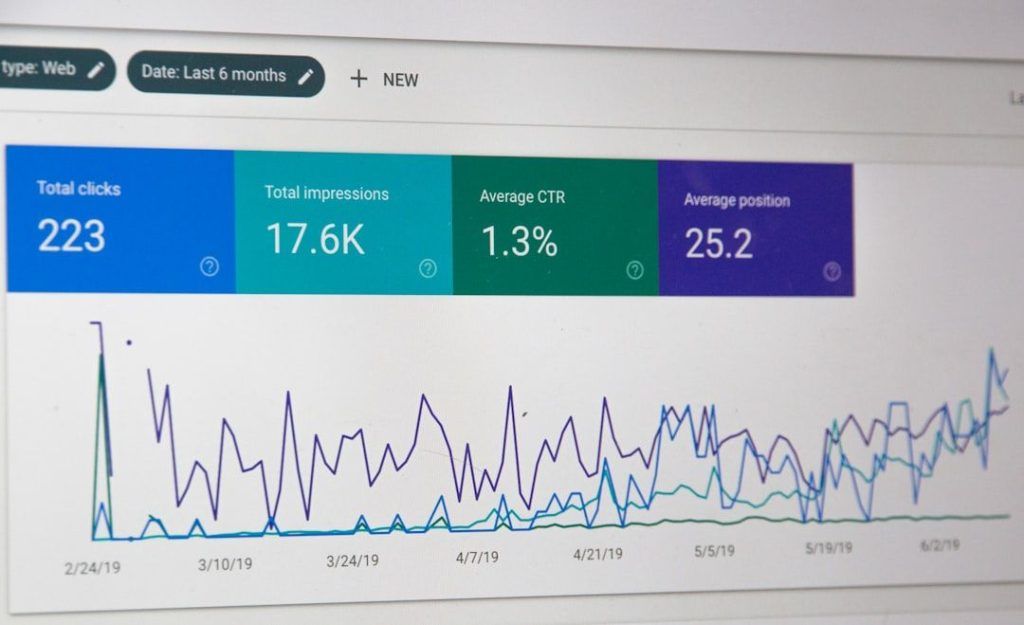
Navigating the Pitfalls: An Honest Google Ads Review of Limitations
No professional review would be credible without addressing the challenges. The Google Ads Review|Self-Service Platform is not without its frustrations. First, the sheer complexity of the interface can lead to costly mistakes. Misconfigured settings, such as enabling the Display Network on a Search-only campaign, can drain your budget rapidly. Secondly, the “Smart Bidding” algorithms, while powerful, operate as a black box. You must trust the machine learning, which can be unsettling for control-oriented marketers. Third, policy enforcement is strict; a slight deviation from advertising guidelines can result in sudden account suspension, leaving you scrambling for a fix. Finally, competition is fierce. In highly lucrative niches, cost-per-click prices can be exorbitant, making it difficult for small businesses to compete without a sophisticated strategy.
Best Practices for Maximizing Platform Performance
To mitigate these pitfalls, I recommend a rigorous, structured approach. Start with a Account Structure Audit: ensure your campaigns are separated by theme and match type. Use single keyword ad groups (SKAGs) for high-intent terms to improve Quality Score. Implement a strict Negative Keyword Protocol to filter out irrelevant search terms that waste spend. For the self-service platform to work effectively, you must also leverage Ad Schedule data to bid higher during peak conversion hours. Above all, never launch a campaign without setting up conversion tracking and linking your Google Analytics account. This is the foundation of professional optimization.
Moreover, consider using the platform’s Experiments feature (formerly Drafts & Experiments). This allows you to run A/B tests on your ad copy, bidding strategies, and landing pages without disrupting your main campaigns. A data-driven culture is essential; the platform provides the tools, but you must provide the curiosity. Review your search term report daily for the first two weeks, and then weekly thereafter. This habit alone will separate you from the average advertiser who “sets and forgets.”
Conclusion: Is the Self-Service Platform Right for Your Business?
In conclusion, this comprehensive Google Ads Review|Self-Service Platform analysis reveals a tool that is both incredibly powerful and demanding. It is not a magic bullet; it is a professional-grade instrument that requires skill, patience, and ongoing education. For businesses that are willing to invest time in learning the nuances of keyword research, ad copywriting, and bid management, the platform offers an unrivaled return on investment. It empowers you with the freedom to test, learn, and scale in real-time. For those who lack the time or expertise, the self-service nature can be a double-edged sword, potentially leading to wasted budgets.
However, the trend is clear: the future of advertising is self-service, AI-driven, and data-centric. By mastering the Google Ads Review|Self-Service Platform, you are not just running ads; you are building a sustainable, measurable growth channel for your business. I strongly encourage you to start small, test relentlessly, and treat every click as a piece of data that informs your next move. The platform is merely the vehicle; your strategy is the engine. With the right approach, this platform will not only meet your advertising goals but exceed them, providing a level of market penetration that was once reserved for large corporations with massive budgets.
Ultimately, the decision to use this platform should be based on your willingness to engage with its complexity. If you are ready to take the wheel and drive your own success, the self-service platform is your best bet. If you decide to proceed, remember to bookmark the official Google Ads Help Center and stay updated on their monthly feature releases. The landscape is always changing, and staying informed is the final piece of the puzzle in this professional review.