Google Ads Mobile|Self-Service Platform: The Complete Guide to Managing Mobile Campaigns on Your Own
The Google Ads Mobile|Self-Service Platform has fundamentally changed how businesses of all sizes approach mobile advertising. Instead of relying on agencies or intermediaries, advertisers can now take full control of their mobile campaigns through an intuitive, self-service environment. This guide explores what the platform offers, how it works, and why it has become an essential tool for performance-driven marketers who want transparency, speed, and direct ownership of their mobile ad spend.
What Is the Google Ads Mobile|Self-Service Platform?
The Google Ads Mobile|Self-Service Platform is a mobile-optimized advertising environment that allows businesses to create, manage, and optimize Google Ads campaigns directly from a smartphone or tablet. It combines the reach of Google’s advertising network with the convenience of self-service campaign management, giving advertisers full control over budgets, targeting, creatives, and bidding strategies without needing a desktop computer or a dedicated account manager.
At its core, the platform is designed for speed and autonomy. Advertisers can launch campaigns in minutes, monitor performance in real time, and adjust strategies on the go. Whether you are a small business owner running local mobile ads or a marketing team managing multiple accounts, the self-service model removes friction and puts decision-making power directly in your hands.
Key Capabilities of the Mobile Self-Service Environment
- Mobile-first campaign creation with guided setup flows and smart defaults
- Real-time performance dashboards showing impressions, clicks, conversions, and cost metrics
- Flexible budget controls with daily spend limits and pacing options
- Audience targeting by location, device, demographics, and intent signals
- Creative management for responsive search ads, display ads, and app promotion campaigns
- Conversion tracking integration to measure mobile-driven actions such as calls, form submissions, and app installs
Why the Self-Service Model Matters for Mobile Advertising
Mobile advertising moves fast, and the Google Ads Mobile|Self-Service Platform is built to keep pace. Consumer behavior on mobile is immediate and context-driven, which means campaigns often need quick adjustments based on time of day, location, and device performance. A self-service approach allows advertisers to respond instantly rather than waiting for agency approvals or scheduled reporting cycles.
Another major advantage is cost efficiency. By managing campaigns directly, advertisers avoid management fees and gain full visibility into how every dollar is spent. The platform’s transparent reporting makes it easy to identify which keywords, audiences, and creatives are driving results, enabling continuous optimization based on real data rather than assumptions.
Control, Transparency, and Speed
Control is the defining benefit of the Google Ads Mobile|Self-Service Platform. Advertisers decide when campaigns go live, how budgets are allocated, and which targeting parameters to apply. Transparency comes through detailed reporting that shows exactly where ads appear and how they perform. Speed comes from the ability to make changes in real time, from pausing underperforming ad groups to increasing bids during high-conversion windows.
For businesses new to paid advertising, the self-service model also lowers the barrier to entry. Guided setup, automated recommendations, and responsive ad formats help beginners launch effective campaigns without deep technical expertise, while experienced marketers retain access to advanced controls and granular settings.
How to Build an Effective Mobile Campaign on the Platform
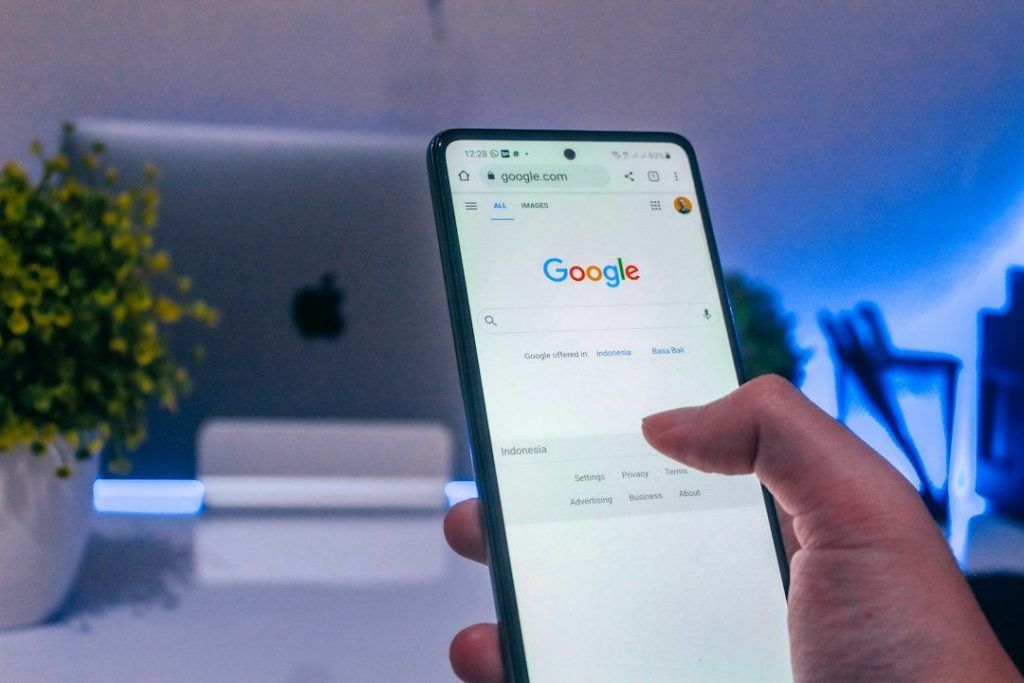
Success with the Google Ads Mobile|Self-Service Platform starts with a clear strategy. Mobile users interact differently than desktop users, so campaigns should be designed around mobile-specific behaviors such as tap-to-call, app engagement, and location-based intent. The following steps outline a practical framework for building campaigns that perform.
Step 1: Define Clear Mobile Objectives
Before creating any campaign, define what success looks like. Common mobile objectives include phone calls, store visits, app installs, lead form submissions, and mobile-optimized purchases. Setting a primary conversion goal helps the platform’s automated bidding strategies optimize toward the outcomes that matter most.
Step 2: Structure Campaigns Around Mobile Intent
Organize campaigns by product category, service type, or geographic market, and use mobile-specific ad extensions such as call buttons and location extensions. Ad copy should be concise and action-oriented, since mobile screens offer limited space and users expect quick answers.
Step 3: Leverage Targeting and Automation
- Use location targeting to reach users near your business or within service areas
- Apply device targeting to prioritize smartphones and tablets where relevant
- Enable automated bidding strategies such as Maximize Conversions or Target CPA
- Use audience segments to reach users with specific interests or intent signals
Step 4: Monitor, Test, and Optimize Continuously
The self-service model rewards active management. Review performance data regularly, test different ad creatives, adjust bids based on conversion trends, and pause keywords that drain budget without results. Because the platform provides real-time feedback, advertisers can iterate quickly and compound improvements over time.
Best Practices for Maximizing Results
To get the most from the Google Ads Mobile|Self-Service Platform, follow proven best practices that align with how mobile users search and convert. Ensure landing pages are mobile-responsive and load quickly, since slow pages increase bounce rates and reduce conversion rates. Use call extensions and click-to-call features to capture immediate intent. Keep ad copy focused on value propositions and clear calls to action.
Additionally, set realistic budgets and monitor pacing to avoid overspending during high-traffic periods. Use conversion tracking to connect ad interactions with real business outcomes, and review search term reports to identify new opportunities and negative keywords. Finally, take advantage of the platform’s mobile accessibility to check performance and make adjustments throughout the day, ensuring campaigns stay aligned with real-time market conditions.
Conclusion
The Google Ads Mobile|Self-Service Platform empowers advertisers to take direct control of their mobile advertising with speed, transparency, and efficiency. By combining mobile-first campaign tools with real-time data and flexible controls, it enables businesses to launch campaigns quickly, optimize continuously, and measure results accurately. Whether you are new to Google Ads or an experienced marketer, embracing the self-service model can unlock greater control over your mobile strategy and drive measurable business growth.