In today’s hyper-competitive digital landscape, local discoverability is no longer optional—it is the lifeblood of small and medium-sized enterprises. The phrase Add A Business To Google Maps | Self-Service Platform represents a powerful, user-driven solution that allows entrepreneurs to claim their digital storefront without intermediaries. Whether you run a boutique café, a plumbing service, or a consulting firm, understanding how to leverage this self-service tool is essential for capturing “near me” searches and driving foot traffic. This guide explores the mechanics, benefits, and best practices of using the Add A Business To Google Maps | Self-Service Platform to establish an authoritative local presence.
What Is the Add A Business To Google Maps | Self-Service Platform?
The Add A Business To Google Maps | Self-Service Platform is Google’s dedicated interface (often accessed via Google Business Profile) that empowers business owners to create, verify, and manage their listings directly. Unlike traditional directory services that require phone calls or paid submissions, this self-service model puts the control in your hands. You provide the core data—name, address, phone number, category, and hours—and the platform guides you through verification. The “self-service” aspect is critical: it reduces friction, eliminates middlemen, and ensures that the information displayed to potential customers is accurate and owner-approved.
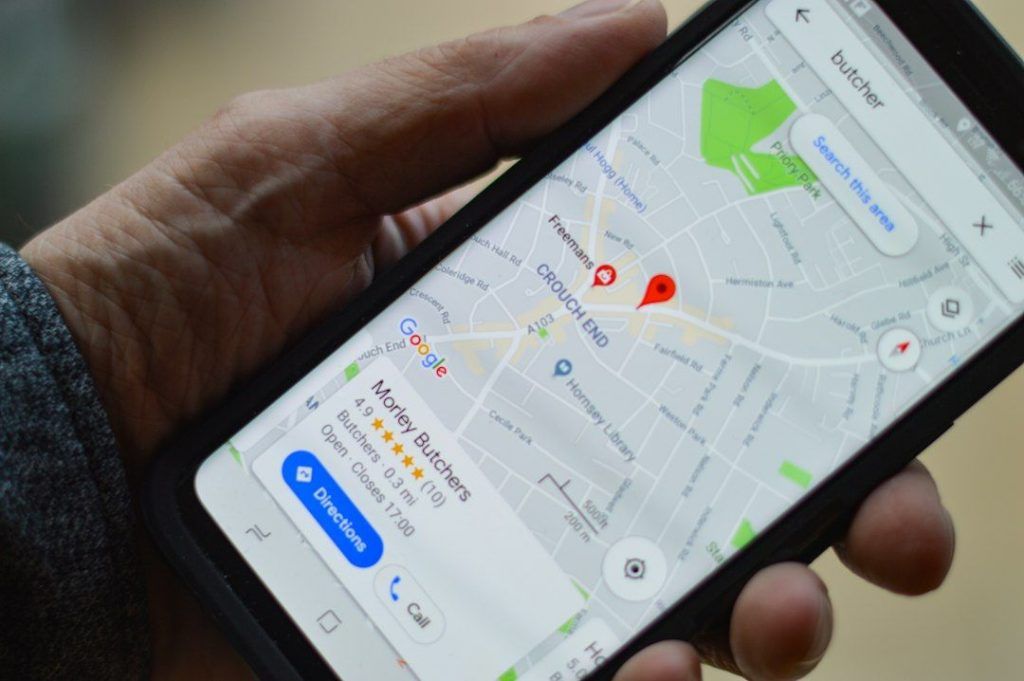
By using the Add A Business To Google Maps | Self-Service Platform, you are not just dropping a pin on a map. You are creating a dynamic business profile that can display photos, collect reviews, answer customer questions, and post updates. This platform is the gateway to Google’s local search ecosystem, which powers the map results that millions of users rely on daily.
Why the Self-Service Approach Outperforms Traditional Listings
Many business owners mistakenly believe that simply having a website is enough. However, 46% of all Google searches have local intent. When users search for “coffee near me” or “emergency plumber,” Google prioritizes profiles that are complete and verified through the Add A Business To Google Maps | Self-Service Platform. The self-service nature means you can update your hours on a holiday, respond to a negative review within minutes, or add a new service offering without waiting for a third-party aggregator to sync data.
Furthermore, the Add A Business To Google Maps | Self-Service Platform provides granular insights. You can see how many people called you directly from the map, requested directions, or visited your website. This data-driven feedback loop allows for continuous optimization. Traditional paid listings often lack this transparency, making the self-service platform a more cost-effective and agile choice for local SEO.
Key Advantages of Direct Management
- Real-time control: Update business hours, mark special events, or change your address instantly.
- Review management: Respond to customer feedback publicly, demonstrating your commitment to service.
- Visual storytelling: Upload interior and exterior photos, product images, and videos to attract clicks.
- Zero cost: The Add A Business To Google Maps | Self-Service Platform is free to use, making it accessible for startups and established firms alike.
Step-by-Step: Using the Add A Business To Google Maps | Self-Service Platform
Getting started is straightforward, but accuracy is paramount. First, navigate to the Google Business Profile manager and select “Add Business.” The Add A Business To Google Maps | Self-Service Platform will prompt you to enter your business name exactly as it appears on your signage and legal documents. Avoid keyword stuffing in the name—Google’s algorithm is sophisticated and may suspend listings that violate guidelines.
Next, you will define your service area or physical location. If you serve customers at their location (like a plumber), you can hide your address and set a service radius. If you have a storefront, ensure the pin is placed precisely on your entrance. The Add A Business To Google Maps | Self-Service Platform then requires verification, typically via a postcard, phone call, or video recording. Once verified, you gain full editing rights.
Optimizing Your Profile for Maximum Impact
After verification, the real work begins. The Add A Business To Google Maps | Self-Service Platform offers multiple fields that influence ranking. Choose the most specific primary category (e.g., “Vegan Restaurant” instead of “Restaurant”). Add secondary categories for related services. Write a compelling business description that naturally incorporates your top services and location. Upload high-resolution images—profiles with photos receive 42% more requests for directions and 35% more clicks to their websites.
Encourage satisfied customers to leave reviews directly through the platform. Respond to every review, positive or negative, within 24 hours. The Add A Business To Google Maps | Self-Service Platform also allows you to post “Updates” (like offers or new arrivals), which appear in your local listing and can significantly boost engagement.
Common Pitfalls to Avoid on the Self-Service Platform
While the Add A Business To Google Maps | Self-Service Platform is user-friendly, errors can harm your visibility. One frequent mistake is inconsistent NAP (Name, Address, Phone) data across the web. If your website lists a different phone number than your Google Maps profile, Google may lose trust in your data. Another pitfall is failing to complete the profile—profiles with missing hours, categories, or attributes rank lower in local pack results.
Additionally, avoid creating multiple listings for the same location. The Add A Business To Google Maps | Self-Service Platform has strict duplicate detection. If you move or rebrand, use the platform to update the existing listing rather than creating a new one. Finally, never incentivize reviews or post fake feedback; this violates Google’s terms and can lead to permanent suspension.
Leveraging the Platform for Long-Term Local SEO Success
The Add A Business To Google Maps | Self-Service Platform is not a “set it and forget it” tool. To maintain rankings, you must treat it as a living asset. Post weekly updates, add new photos monthly, and monitor your Q&A section. Use the “Insights” tab to understand which search queries trigger your listing. If you notice a spike in “near me” searches for a service you offer, consider adding that service to your description or creating a Google Post about it.
Moreover, integrate your self-service profile with your website. Embed a Google Map on your contact page and add a “Review Us” button that links directly to your Google listing. This cross-channel strategy reinforces your local authority. As voice search and AI-driven local recommendations grow, a well-maintained Add A Business To Google Maps | Self-Service Platform profile will become even more critical for being the chosen answer.
Final Checklist for New Users
- Claim your business via the official Add A Business To Google Maps | Self-Service Platform.
- Complete every field: hours, attributes, services, and a 750-character description.
- Upload at least 10 geotagged photos of your location and team.
- Set up messaging (if applicable) and respond to queries within hours.
- Monitor reviews weekly and reply professionally.
By embracing the Add A Business To Google Maps | Self-Service Platform, you take ownership of your local narrative. You become the authority for your brand in your neighborhood, ensuring that when customers search, they find you—accurately, completely, and compellingly.