In today’s hyper-competitive digital landscape, businesses of every size need advertising solutions that deliver measurable results without unnecessary complexity. Pay Per Click Advertising Google|Self-Service Platform has emerged as one of the most powerful combinations available to marketers, giving advertisers direct control over their budgets, targeting, and creative messaging. Whether you are a small business owner launching your first campaign or a seasoned marketing professional scaling a multi-channel strategy, understanding how this self-service model works is essential for maximizing your return on investment.
What Is Pay Per Click Advertising Google|Self-Service Platform?
Pay Per Click (PPC) advertising is a digital marketing model in which advertisers pay a fee each time one of their ads is clicked. When combined with Google’s advertising ecosystem and a self-service platform, this model empowers businesses to manage their own campaigns without relying on an agency or third-party manager. The Pay Per Click Advertising Google|Self-Service Platform approach means you have full access to Google Ads tools, where you can set budgets, choose keywords, write ad copy, and monitor performance in real time.
The self-service aspect is particularly valuable because it puts decision-making power directly in your hands. You are not waiting for an account manager to make changes or approve budgets. Instead, you log in, adjust your bids, refine your audience targeting, and see results almost immediately. This level of autonomy is why so many businesses are turning to self-managed PPC strategies.
Core Components of the Self-Service Model
Understanding the building blocks of a self-service PPC platform helps you use it more effectively. The key components include:
- Campaign creation tools: Step-by-step wizards that guide you through setting objectives, selecting networks, and defining geographic targets.
- Keyword planning and research: Built-in tools that suggest relevant keywords, estimate traffic volumes, and forecast costs.
- Bid management: Manual and automated bidding options that let you control how much you pay for each click.
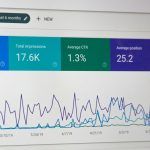
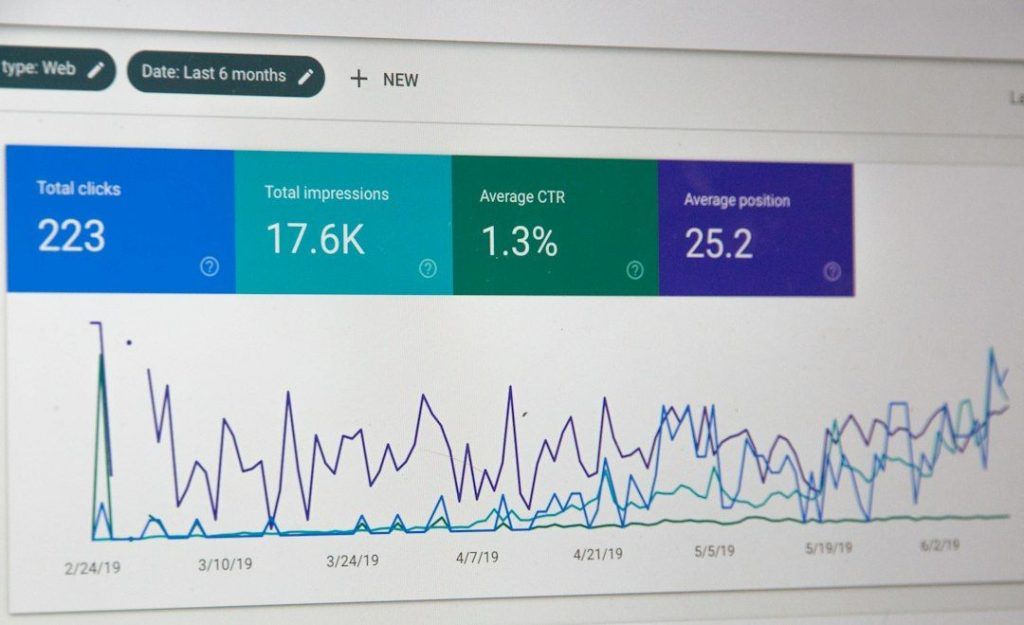
- Performance dashboards: Real-time reporting on impressions, clicks, conversions, and cost-per-acquisition.
- Audience targeting: Options to reach users based on demographics, interests, location, device, and remarketing lists.
Why Pay Per Click Advertising Google|Self-Service Platform Delivers Results
The combination of Google’s massive search network and a self-service interface creates a uniquely effective advertising environment. Google processes billions of searches every day, and PPC ads appear alongside organic results, giving your business immediate visibility for keywords that matter most to your customers. With a self-service platform, you can respond to market changes in real time, pause underperforming ads, and reallocate budget to high-converting campaigns.
One of the most significant advantages is cost control. Unlike traditional advertising where you commit to large upfront spends, PPC allows you to set daily budgets and only pay when someone actually clicks your ad. The Pay Per Click Advertising Google|Self-Service Platform model ensures that every dollar is accountable. You can track exactly which keywords drive sales, which ad variations perform best, and which landing pages convert visitors into customers.
Key Benefits for Advertisers
- Immediate visibility: Ads can appear on search results pages within hours of campaign launch.
- Precise targeting: Reach users by location, language, device, time of day, and search intent.
- Measurable ROI: Conversion tracking shows exactly how much revenue each campaign generates.
- Scalability: Increase budgets and expand campaigns as results prove profitable.
- Full transparency: Access to all data, reports, and account settings without intermediary restrictions.
How to Succeed with Pay Per Click Advertising Google|Self-Service Platform
Success with self-service PPC requires a strategic approach. The platform gives you powerful tools, but knowing how to use them effectively separates profitable campaigns from wasted spend. Start by defining clear objectives—whether that is lead generation, e-commerce sales, or brand awareness. Then structure your account logically, with separate campaigns for different product lines or services, and ad groups organized around tightly themed keyword sets.
Keyword research is the foundation of any successful Pay Per Click Advertising Google|Self-Service Platform campaign. Use Google’s keyword planner to identify high-intent search terms, and pay attention to match types—exact, phrase, and broad—to control how closely your ads align with user queries. Negative keywords are equally important, as they prevent your ads from showing for irrelevant searches and help you avoid unnecessary clicks.
Optimization Best Practices
- Write compelling ad copy: Include your main keyword in headlines, highlight unique selling points, and use clear calls to action.
- Use ad extensions: Add sitelinks, callouts, and structured snippets to make your ads more informative and clickable.
- Test landing pages: Ensure your landing page matches the ad’s promise and is optimized for conversions.
- Monitor quality score: Higher quality scores can lower your cost per click and improve ad position.
- Review search terms regularly: Identify new opportunities and add negative keywords to reduce waste.
Common Challenges and How to Overcome Them
While the self-service model offers tremendous flexibility, it also requires discipline. One common challenge is budget management—without careful monitoring, costs can escalate quickly. Set daily spending limits and review performance weekly to ensure you are staying within your targets. Another challenge is competition; in highly competitive niches, cost per click can be high. Focus on long-tail keywords with lower competition and higher intent to maximize efficiency.
Another consideration is the learning curve. The Pay Per Click Advertising Google|Self-Service Platform interface is user-friendly, but mastering advanced features like automated bidding strategies, audience segmentation, and conversion tracking takes time. Fortunately, Google provides extensive documentation, tutorials, and community forums. Many advertisers also benefit from starting with smaller campaigns to build confidence before scaling up.
Conclusion: Taking Control of Your Advertising Future
The Pay Per Click Advertising Google|Self-Service Platform represents a fundamental shift in how businesses approach digital advertising. By removing intermediaries and putting powerful tools directly in the hands of advertisers, it democratizes access to Google’s vast audience and enables precise, measurable, and scalable campaigns. Whether you are looking to drive immediate sales, generate leads, or build brand awareness, the self-service PPC model offers a path to achieving your goals with full control and transparency.
As competition in digital advertising continues to intensify, the ability to manage your own campaigns efficiently becomes a significant competitive advantage. By understanding the platform’s capabilities, following best practices, and committing to continuous optimization, you can turn your advertising investment into a reliable engine for business growth.