Understanding Google Ads Pricing|Self-Service Platform is essential for any business that wants to take full control of its online advertising budget. Google Ads offers a flexible pricing model combined with a powerful self-service platform that lets advertisers of all sizes launch, manage, and optimize campaigns on their own terms. Whether you are a small business owner testing your first search ad or a marketing professional scaling a multi-channel strategy, knowing how pricing works and how to leverage the self-service platform can dramatically improve your return on investment.
What Is Google Ads Pricing|Self-Service Platform?
The Google Ads Pricing|Self-Service Platform refers to two connected elements: the cost structure Google uses to charge advertisers, and the do-it-yourself interface where advertisers build and manage their campaigns. Unlike traditional media buying, where you negotiate rates and rely on sales representatives, the self-service platform puts the tools directly in your hands. You set your own budget, choose your bidding strategy, and decide exactly how much you are willing to pay for a click, an impression, or a conversion.
This combination of transparent pricing and direct control is what makes Google Ads accessible to businesses of every size. You are not locked into a minimum spend contract, and you can pause or adjust campaigns at any time. The platform is designed to be intuitive, with guided setup flows, performance dashboards, and automated recommendations that help you spend wisely.
How the Pricing Model Works
Google Ads primarily operates on a pay-per-click (PPC) model, although other options such as cost-per-thousand-impressions (CPM) and cost-per-acquisition (CPA) are also available depending on your campaign goals. With PPC, you bid on keywords or audiences relevant to your business, and you pay only when someone clicks your ad. The actual cost per click is determined by an auction that factors in your bid, your ad quality, and the expected impact of your ad extensions and landing page experience.
Key pricing components include:
- Daily budget: The average amount you are willing to spend each day. Google may spend slightly more or less on any given day but will not exceed your monthly limit based on your daily budget.
- Bid strategy: You can choose manual bidding or automated strategies such as Maximize Clicks, Target CPA, or Target ROAS, each of which influences how your budget is spent.
- Quality Score: A diagnostic tool that estimates the relevance of your keywords, ads, and landing pages. Higher Quality Scores can lower your cost per click and improve ad position.
- Ad auction: The real-time process that determines whether your ad shows and what you pay, balancing bid amount with ad quality and expected performance.
Benefits of Using the Self-Service Platform for Google Ads Pricing
The self-service platform is more than a cost-saving alternative to working with an agency. It gives you real-time visibility into your Google Ads Pricing|Self-Service Platform performance and the flexibility to respond to market changes instantly. You can test new keywords, adjust bids, and reallocate budget across campaigns without waiting for approvals or navigating complex contracts.
Full Control Over Budget and Bidding
With the self-service platform, you decide how much to invest and where. You can set campaign-level budgets, apply bid adjustments for devices, locations, and times of day, and use portfolio bid strategies to manage spend across multiple campaigns. This level of control helps prevent overspending and ensures your budget is directed toward the audiences and keywords that deliver the best results.
Transparent Reporting and Analytics
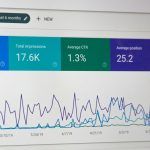
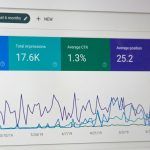
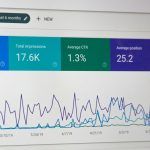
The platform provides detailed reporting on impressions, clicks, click-through rates, conversions, and cost metrics. You can connect Google Analytics and Google Tag Manager to track post-click behavior, giving you a complete picture of how your advertising spend translates into business outcomes. These insights are essential for refining your pricing strategy and improving campaign efficiency over time.
Scalability Without Added Overhead
As your business grows, the self-service platform scales with you. You can add new campaigns, expand to new geographic markets, and test different ad formats without incurring additional management fees. Automated tools and machine learning-driven recommendations help you optimize performance even as your account becomes more complex.
How to Optimize Your Google Ads Pricing|Self-Service Platform Strategy
Getting the most from the Google Ads Pricing|Self-Service Platform requires a structured approach. Start by defining clear campaign goals, whether that means generating leads, driving sales, or increasing brand awareness. Then align your bidding strategy and budget allocation with those goals.
Set Realistic Budgets and Monitor Spend
Begin with a daily budget that reflects what you can comfortably invest while you gather performance data. Use the platform’s budget reports to monitor pacing and adjust as needed. Avoid spreading your budget too thin across many campaigns; instead, concentrate spend on the campaigns and keywords with the strongest potential.
Improve Quality Score to Lower Costs
Quality Score affects both your ad position and your cost per click. Improve it by writing relevant ad copy, using tightly themed ad groups, and directing users to landing pages that match their search intent. A higher Quality Score can reduce your Google Ads Pricing|Self-Service Platform costs while improving visibility.
Leverage Automated Bidding Wisely
Automated bidding strategies can save time and improve performance, but they require accurate conversion tracking to work effectively. Set up conversion tracking before enabling Target CPA or Target ROAS, and give the system enough time and data to learn. Review performance regularly and adjust targets as your business priorities change.
Test and Refine Continuously
The self-service platform makes it easy to run experiments. Test different ad copy, landing pages, and bidding strategies to discover what works best for your audience. Use the platform’s experiment tools and A/B testing features to make data-driven decisions rather than relying on assumptions.
Common Questions About Google Ads Pricing|Self-Service Platform
Advertisers often ask whether the self-service platform is suitable for beginners. The answer is yes—Google provides guided setup, educational resources, and automated recommendations to help new advertisers get started. Another common question is whether self-service is cheaper than working with an agency. While you avoid management fees, you are responsible for strategy and optimization, so the total cost depends on your time and expertise.
It is also important to understand that Google Ads does not charge a setup fee for the self-service platform. You pay only for the advertising itself, based on your chosen bidding model. This makes it a cost-effective option for businesses that want direct control over their advertising investment.
Conclusion
The Google Ads Pricing|Self-Service Platform offers a powerful combination of transparent pricing and hands-on control. By understanding how the auction works, setting realistic budgets, improving Quality Score, and using automated tools strategically, you can maximize the value of every dollar you spend. Whether you are launching your first campaign or refining an established account, the self-service platform gives you the flexibility and insight needed to succeed in a competitive digital landscape.