Personalized Ads Self-Service Platform: The Complete Guide to Smarter Campaign Management
In today’s hyper-competitive digital landscape, generic advertising simply no longer delivers the returns that modern businesses need. A Personalized Ads Self-Service Platform empowers marketers, agencies, and business owners to design, launch, and optimize highly targeted campaigns without relying on intermediaries or waiting in line for technical support. This guide explores how a Personalized Ads Self-Service Platform works, why it has become essential for performance-driven marketing, and how to choose the right solution for your organization.
What Is a Personalized Ads Self-Service Platform?
A Personalized Ads Self-Service Platform is an integrated advertising technology environment that gives users direct control over the creation and management of personalized ad campaigns. Instead of handing creative assets and targeting criteria to an account manager, advertisers log into a dashboard where they can define audience segments, upload creative variations, set budgets, and monitor performance in real time.
The “personalized” dimension is what distinguishes this category from traditional self-service ad tools. Modern platforms leverage behavioral data, contextual signals, and machine learning to dynamically tailor ad content, offers, and timing to individual users. Combined with a self-service interface, this means even lean marketing teams can execute sophisticated personalization strategies at scale.
Core Capabilities of a Modern Personalized Ads Self-Service Platform
- Audience segmentation: Build granular segments based on demographics, browsing behavior, purchase history, and intent signals.
- Dynamic creative assembly: Automatically generate and test personalized ad variants for different audience groups.
- Real-time bidding and budget controls: Set daily caps, bid strategies, and pacing rules without manual intervention.
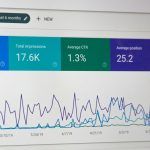
- Performance analytics dashboards: Track impressions, click-through rates, conversions, and return on ad spend in one place.
- Automation and rule-based optimization: Trigger budget shifts or creative rotations based on predefined performance thresholds.
Why Personalized Ads Self-Service Platforms Matter for Modern Marketers
Consumer expectations have shifted dramatically. Audiences now anticipate that brands will recognize their preferences and deliver relevant messages across channels. A Personalized Ads Self-Service Platform bridges the gap between that expectation and operational reality, allowing advertisers to deliver relevance at scale without sacrificing control.
Speed and Agility
When campaign adjustments require email threads and approval cycles, opportunities are lost. A self-service environment lets teams launch A/B tests, pause underperforming creatives, and reallocate budgets within minutes. This agility is particularly valuable in seasonal promotions, product launches, and competitive bidding scenarios.
Cost Efficiency and Transparency
Self-service platforms typically reduce management fees and provide line-item transparency into where every dollar is spent. Advertisers can see exactly which audience segments and creative combinations drive results, enabling continuous refinement of the personalization strategy.
Scalable Personalization
Manual personalization does not scale beyond a handful of segments. A Personalized Ads Self-Service Platform uses automation to apply personalization rules across thousands of audience-creative combinations, ensuring consistency while freeing marketers to focus on strategy rather than execution.
Data Ownership and Privacy Compliance
Leading platforms are built with privacy-by-design principles, offering consent management, data retention controls, and compliance tooling for regulations such as GDPR and CCPA. Advertisers retain ownership of their first-party data, which is critical for building durable personalization engines.
Key Features to Evaluate in a Personalized Ads Self-Service Platform
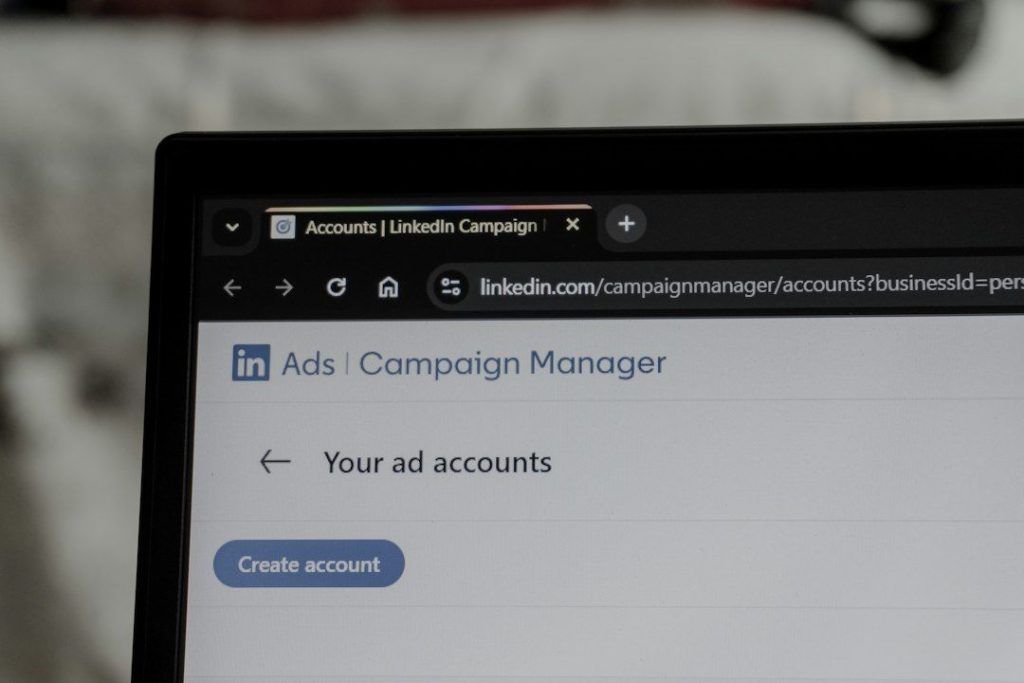
Not all self-service advertising tools are created equal. When evaluating options, prioritize the following capabilities to ensure the platform supports both personalization depth and operational efficiency.
Targeting and Segmentation Depth
Look for platforms that support first-party data onboarding, lookalike modeling, contextual targeting, and cross-device identity resolution. The richer the segmentation engine, the more precise your personalization can become.
Creative Automation and Dynamic Content
Evaluate whether the platform supports dynamic creative optimization (DCO), template-based ad generation, and automated multivariate testing. These features are the backbone of scalable personalization.
Reporting and Attribution
Robust analytics should include multi-touch attribution, cohort analysis, and customizable dashboards. The ability to export raw data for integration with BI tools is a significant advantage for data-mature teams.
Integration and API Access
Check for integrations with CRM systems, e-commerce platforms, data management platforms (DMPs), and analytics suites. Open APIs enable custom workflows and deeper automation.
Support and Onboarding
Even self-service platforms benefit from guided onboarding, knowledge bases, and responsive support. Assess the quality of documentation and the availability of training resources before committing.
Best Practices for Maximizing Results with a Personalized Ads Self-Service Platform
Adopting the platform is only the first step. The following practices help teams extract maximum value from their Personalized Ads Self-Service Platform investment.
- Start with a clear measurement framework: Define KPIs and attribution models before launching campaigns to avoid retrofitting analytics later.
- Segment strategically, not excessively: Over-segmentation can fragment budgets and dilute statistical significance; focus on segments with meaningful volume.
- Test creative systematically: Use structured A/B and multivariate tests to isolate which personalization elements drive performance.
- Leverage automation responsibly: Set guardrails and review automated decisions regularly to prevent budget drift.
- Maintain creative refresh cycles: Personalization fatigue is real; schedule regular creative rotations to sustain engagement.
Choosing the Right Personalized Ads Self-Service Platform for Your Business
The ideal Personalized Ads Self-Service Platform aligns with your team’s technical maturity, budget structure, and campaign complexity. Small and mid-sized businesses may prioritize ease of use and quick time-to-value, while enterprise teams often require advanced data integrations and governance controls.
Begin with a structured evaluation: document your current campaign workflows, identify bottlenecks, and map desired personalization capabilities against platform features. Request demos, run pilot campaigns, and compare performance data across shortlisted vendors. Pay particular attention to contract flexibility, data portability, and the vendor’s roadmap for personalization innovation.
As advertising continues to shift toward privacy-conscious, first-party-data-driven strategies, the ability to execute personalized campaigns through a self-service interface will become a core competency rather than a competitive advantage. Investing in the right Personalized Ads Self-Service Platform today positions your organization to adapt quickly as channels, regulations, and consumer expectations evolve.
Conclusion
A Personalized Ads Self-Service Platform combines the precision of personalization with the speed and autonomy of self-service advertising. By giving marketers direct control over audience targeting, creative optimization, and budget management, these platforms enable faster experimentation, greater cost transparency, and scalable relevance. Whether you are a growing e-commerce brand or an established agency managing multiple clients, selecting a platform with deep segmentation, creative automation, and robust analytics will determine how effectively you can turn personalization from a buzzword into measurable business results.