The Google Local Service Ads|Self-Service Platform has fundamentally changed how local service businesses connect with high-intent customers. Unlike traditional pay-per-click advertising, this system operates on a pay-per-lead model, allowing businesses to bid for verified contact information from potential customers actively searching for their services. For plumbers, electricians, locksmiths, HVAC technicians, and other home service providers, understanding how to leverage the self-service platform is no longer optional—it is essential for sustainable growth in an increasingly competitive digital landscape.
This comprehensive guide explores the mechanics, benefits, and optimization strategies of the Google Local Service Ads|Self-Service Platform, providing actionable insights that can help your business capture more qualified leads while maintaining strict budget control.
Understanding the Google Local Service Ads|Self-Service Platform
Google Local Service Ads (LSAs) appear at the very top of Google Search results, above traditional text ads and organic listings. They are visually distinct, featuring a “Google Guaranteed” or “Google Screened” badge that signals trust and credibility to consumers. The Google Local Service Ads|Self-Service Platform empowers business owners to manage their own advertising campaigns without the need for a dedicated agency, making it accessible to small and mid-sized enterprises.
How the Pay-Per-Lead Model Works
Unlike cost-per-click advertising, where you pay every time someone clicks your ad, the Google Local Service Ads|Self-Service Platform charges you only when a customer contacts you directly through the ad—whether by phone call or message. This distinction is crucial because it aligns your advertising spend with actual business opportunities rather than mere visibility.
- Lead Verification: Google records and verifies each lead, ensuring you are billed only for valid customer inquiries.
- Budget Flexibility: You set a weekly budget, and the platform automatically manages your spend to maximize lead volume within that constraint.
- Dispute Resolution: If you receive a spam or irrelevant lead, the self-service platform allows you to dispute the charge directly from your dashboard.
Google Guaranteed Badge and Trust Signals
The Google Guaranteed badge is a cornerstone of the Google Local Service Ads|Self-Service Platform. To earn it, businesses must undergo a background check and provide proof of licensing and insurance. This verification process reassures customers that they are hiring a legitimate, qualified professional. For service providers, the badge can significantly increase click-through rates and conversion rates, as consumers are more likely to contact a business that Google has vetted.
Setting Up Your Self-Service Account for Success
Getting started with the Google Local Service Ads|Self-Service Platform requires careful preparation. The setup process involves several steps, each of which impacts your ability to rank competitively and generate leads.
Business Verification and License Submission
Before your ads can go live, you must complete the verification process. This includes submitting your business license, insurance documents, and undergoing a background check. The Google Local Service Ads|Self-Service Platform requires this information to maintain the integrity of the Google Guaranteed program. Ensure that all documents are current and clearly legible to avoid delays in approval.
Defining Your Service Areas and Categories
Precision is key when configuring your service areas. The Google Local Service Ads|Self-Service Platform allows you to define specific geographic zones where you want your ads to appear. Overly broad service areas can dilute your budget and attract leads outside your operational range. Conversely, overly narrow areas may limit your visibility. Analyze your historical job data to identify the most profitable neighborhoods and zip codes, then configure your service areas accordingly.
Setting Budgets and Bidding Strategies
The Google Local Service Ads|Self-Service Platform uses a bid strategy that considers your weekly budget, the competitiveness of your market, and the quality of your profile. You can adjust your budget at any time, but it is advisable to start with a conservative amount and increase it gradually as you learn which leads convert into paying customers. Monitor your cost per lead and compare it to your customer lifetime value to ensure profitability.
Optimizing Performance on the Google Local Service Ads|Self-Service Platform
Once your account is live, the real work begins. The Google Local Service Ads|Self-Service Platform provides robust analytics and tools to help you refine your strategy. Regular optimization is necessary to maintain a competitive edge and maximize return on investment.
Responding to Leads Promptly
Speed matters. The Google Local Service Ads|Self-Service Platform rewards responsiveness. Businesses that answer calls quickly and reply to messages promptly are more likely to convert leads into booked jobs. Set up notifications on your mobile device and designate a team member to monitor incoming leads during business hours. Consider using a CRM integration to automate follow-ups and track lead status.
Managing Reviews and Ratings
Customer reviews are displayed prominently in your Local Service Ads. The Google Local Service Ads|Self-Service Platform aggregates reviews from Google My Business and other sources, making your rating a critical factor in your ad’s performance. Encourage satisfied customers to leave reviews, and respond professionally to any negative feedback. A strong review profile not only improves your ranking but also builds trust with potential customers.
Leveraging the Dashboard and Reporting Tools
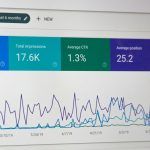
The self-service dashboard offers detailed insights into lead volume, cost per lead, and conversion trends. Use these data to identify patterns—such as which days of the week generate the most leads or which service categories perform best. The Google Local Service Ads|Self-Service Platform also allows you to export reports for deeper analysis, enabling you to make data-driven decisions about budget allocation and service area expansion.
- Lead Quality Tracking: Tag leads that convert into paying customers to calculate your true cost per acquisition.
- Seasonal Adjustments: Increase budgets during peak seasons and reduce them during slower periods to optimize spend.
- Competitor Benchmarking: Review your market’s average cost per lead to ensure your bids remain competitive.
Common Pitfalls to Avoid on the Self-Service Platform
While the Google Local Service Ads|Self-Service Platform is designed for ease of use, several common mistakes can undermine your results. Avoiding these pitfalls will save you time and money.
First, do not neglect your profile completeness. Incomplete profiles rank lower and may not display the Google Guaranteed badge. Second, avoid setting unrealistic budgets that exhaust quickly and leave you without leads for the remainder of the week. Third, never ignore lead disputes—if you receive a spam lead, dispute it promptly to maintain accurate billing. Finally, do not treat LSAs as a set-and-forget channel; consistent monitoring and optimization are required to sustain performance.
Conclusion: Harnessing the Power of the Google Local Service Ads|Self-Service Platform
The Google Local Service Ads|Self-Service Platform represents a powerful opportunity for local service businesses to connect with customers who are ready to hire. By understanding the pay-per-lead model, completing the verification process, and committing to ongoing optimization, you can build a reliable pipeline of qualified leads. Whether you are a solo contractor or a growing team, the self-service platform offers the transparency, control, and trust signals needed to compete effectively in today’s digital marketplace. Start by setting up your account, defining your service areas, and monitoring your performance closely—then watch as the platform transforms your approach to local advertising.